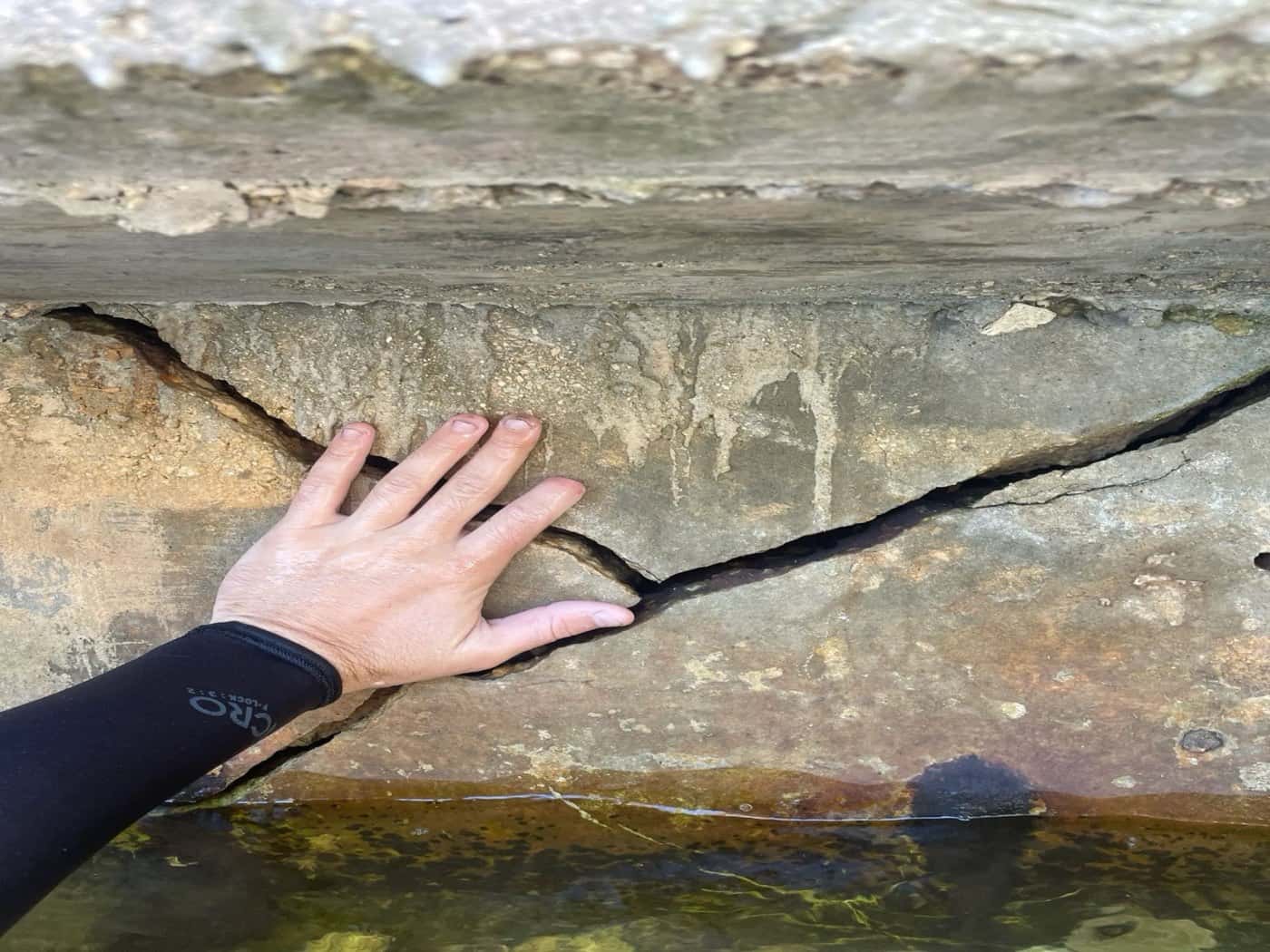
Have the seawall inspected before you close, the same way you would have the roof inspected. In South Florida a residential seawall inspection from Barnacle Doctor is $250 ($350 for multi-family and commercial), the growth is cleaned off first so the diver can actually see the wall, and you get a written condition report with photos. Ask your lender, insurer and title company what documentation they want before you order it, because requirements differ, and some situations call for a licensed engineer's seal.
Do lenders require a seawall inspection in Florida?
Not as a blanket rule. We could find no state, county or lender-wide mandate. What the sources agree on is that seawall inspections are often required or requested during real-estate transactions for buyer due diligence or seller disclosure, that lenders on coastal-property loans accept condition reports, that title companies, lenders and insurers look for current waterfront paperwork, and that missing inspections slow closings. Insurers increasingly ask for third-party condition reports as well, and homeowner policies rarely cover a seawall in the first place.
So the practical answer: ask your lender and your insurer in writing what they want, and order the inspection early enough that a bad result can still change the price. Our inspection produces a written underwater condition report with photos, the paperwork buyers, agents and many lenders ask for. If your lender or insurer requires a report signed and sealed by a Florida-licensed professional engineer, that is a different product, and we will tell you before you pay rather than after.
What does a seawall inspection check?
A proper inspection looks at the wall above and below the waterline, and at the ground behind it. The checklist we work from, which matches what engineers and home inspectors publish:
| Part of the wall | What the diver looks for |
|---|---|
| Cap | Cracks, spalling, exposed or rusting rebar, separation from the panels |
| Panels | Vertical and horizontal cracks (horizontal cracks point at tieback or pressure problems), bowing, leaning, rust stains |
| Joints and seepage | Open joints, sediment washing through, water flow after rain or at tide changes |
| Tiebacks and deadmen | Corroded or failed anchors, which is what lets a wall lean |
| Weep holes | Clogged or missing drains that let water pressure build behind the wall |
| Voids behind the wall | Sinkholes, depressions or a sinking patio: backfill migrating through joints |
| Toe and submerged face | Scour at the base, undermining, marine-growth damage, the part no topside inspection sees |
The seawall inspection checklist.
The submerged face is where we differ from a topside-only inspection. Oyster and barnacle growth hides cracks and voids, so we clean the wall first with non-abrasive cavitation and inspect what is actually there. Engineers who inspect seawalls note that underwater turbidity hides a majority of defects; cleaning first is the answer to that. Full details are on our seawall inspection and repair page.
What should the seawall report cover?
- The wall's overall condition once the growth is off, with photos above and below the waterline.
- Cracks that are letting sediment out from behind the wall, the cause of a sinking yard, deck or patio.
- Growth that was eating the wall or hiding damage.
- The recommended repair, with a free in-person quote if one is needed.
Read it with your inspector's general report. A seawall problem is rarely alone: a sinking patio, a leaning fence line or a pool deck that has dropped at the water side are all the same problem seen from above.
What are the signs of a failing seawall I can see myself?
- Depressions, sinkholes or soft ground within a few feet of the wall.
- A cap that has cracked, tilted or separated from the panels.
- Horizontal cracks in the panels, or a wall that leans toward the water.
- Rust stains bleeding from the concrete: rebar corroding inside.
- Water or sediment weeping through joints at low tide.
- Weep holes that are clogged, or none at all.
Any of those is a reason to order the inspection before the inspection period ends, not after.
How long do seawalls last, and what do repairs cost?
Most Florida seawalls last 25 to 50 years. Concrete walls are quoted at 30 to 50 years or more, vinyl at 25 to 40 (some manufacturers say longer), steel at 20 to 35 and wood at 10 to 40, all depending on exposure and maintenance. A wall built with a 1960s canal is at or past its design life whatever it looks like from the lawn.
Market ranges from public sources, not Barnacle Doctor prices.
| Repair type | Published range |
|---|---|
| Crack and joint sealing, relief drains | About $100 to $150 per linear foot |
| Leaning walls, large cracks, structural repair | About $300 to $900 per linear foot |
| Full replacement | About $400 to $1,200 per linear foot |
| Average South Florida project | Around $37,500 |
Market repair costs from South Florida contractor and consultant cost guides (sources at the bottom). These are not Barnacle Doctor prices.
Our own repair service, filling cracks deep with custom cement tubes, is quoted free and in person after the inspection. We publish the inspection fees ($250 residential, $350 multi-family and commercial) and quote repairs on what the diver finds.
Who is responsible for seawall repair, and does insurance cover it?
On a single-family lot, the owner. In a condominium the seawall is usually a common element, so the association is responsible and the cost lands in the budget or a special assessment; ask for the association's inspection history and reserve study. No public program repairs private seawalls, and repair below mean high water needs permits: a building permit for structural work, Miami-Dade DERM Class I approval in that county, and FDEP or U.S. Army Corps of Engineers sign-off where navigable water is involved. Our seawall rules guide covers the height standards in Broward, Fort Lauderdale and Miami Beach that can turn a repair into a rebuild.
On insurance, be careful with what you assume. Homeowner policies treat docks and seawalls as other structures with their own limits, and storm surge, flood and wind-driven water are usually excluded; the National Flood Insurance Program excludes docks, piers and seawalls outright. Wind, fire and lightning damage may be covered. A dated inspection report with photos is the best evidence a claim can have, which is another reason to have one before hurricane season. We are not insurance advisers; read the policy or ask your agent.